

At the end of March and the first days of April 2022, Ukrainian forces liberated cities and villages around Kyiv. With the liberation, evidence of Russian crimes emerged - the whole world was shocked by images that were almost beyond belief. Streets in Bucha were lined with bodies, mass graves, civilians who had been tortured, executed, raped or shot while trying to survive.
But these Russian crimes in cities near Ukraine's capital were just the beginning of uncovering what Russia's war is truly about.
Ukrainian forces and investigators entered the towns of Bucha, Irpin, Borodianka and other communities near Kyiv in the spring of 2022 and they documented evidence of widespread violence against civilians:
Minister of Foreign Affairs of Ukraine on the fourth anniversary of Russia's massacre in Bucha
These were not isolated crimes committed by individual soldiers, the quantity and character of the crimes revealed it rather was a system in which civilians were deliberately targeted, terrorised and in many cases killed.

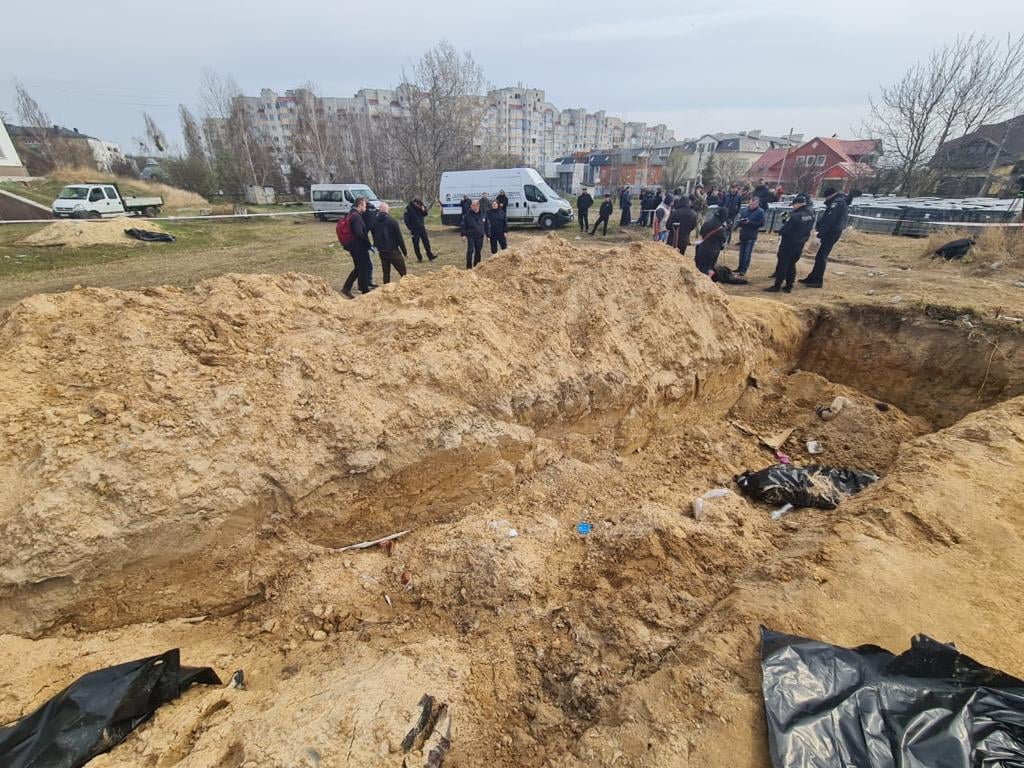
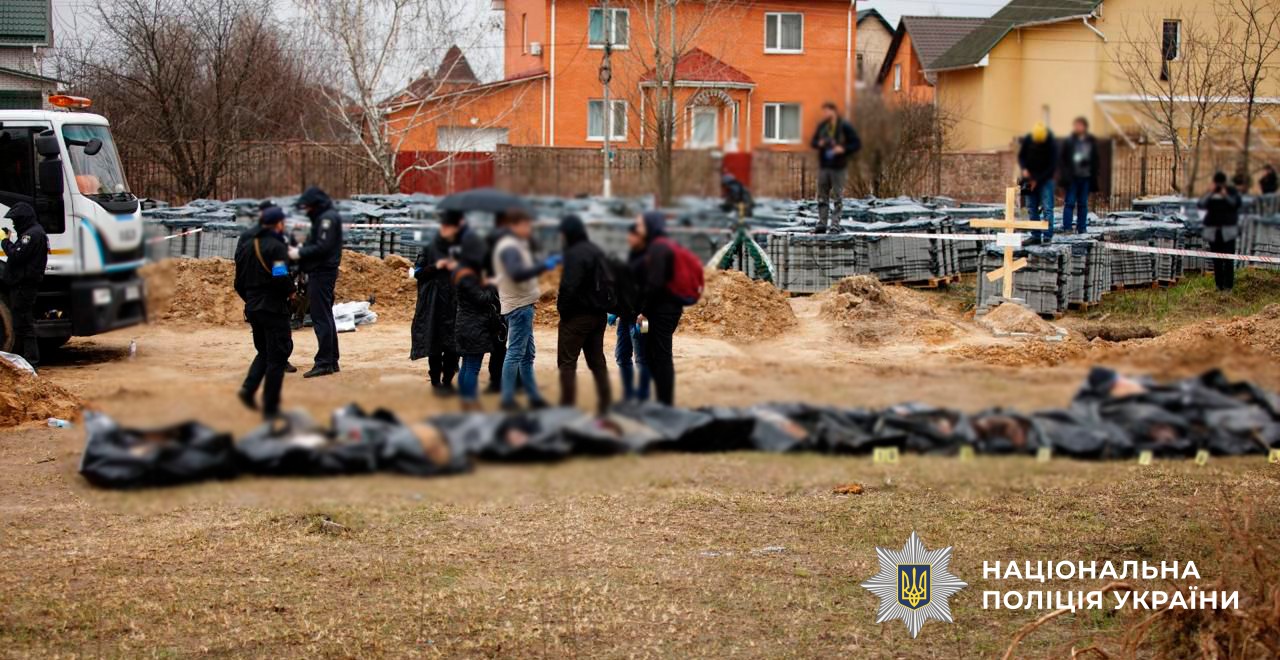
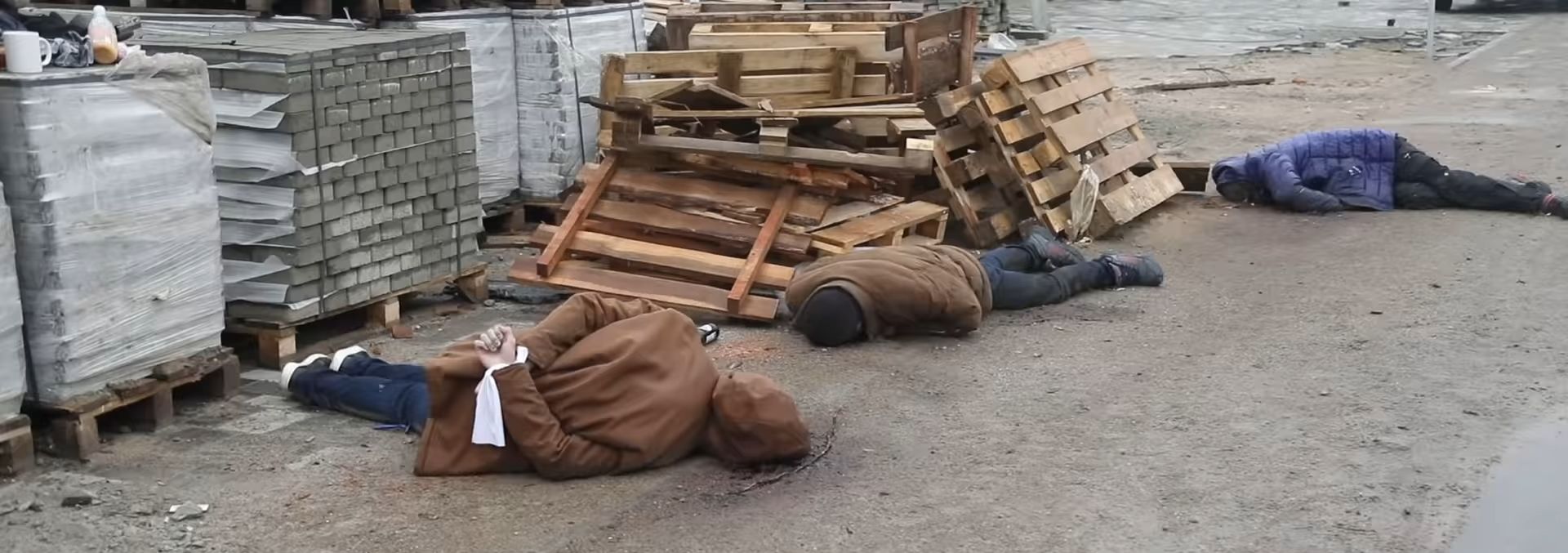
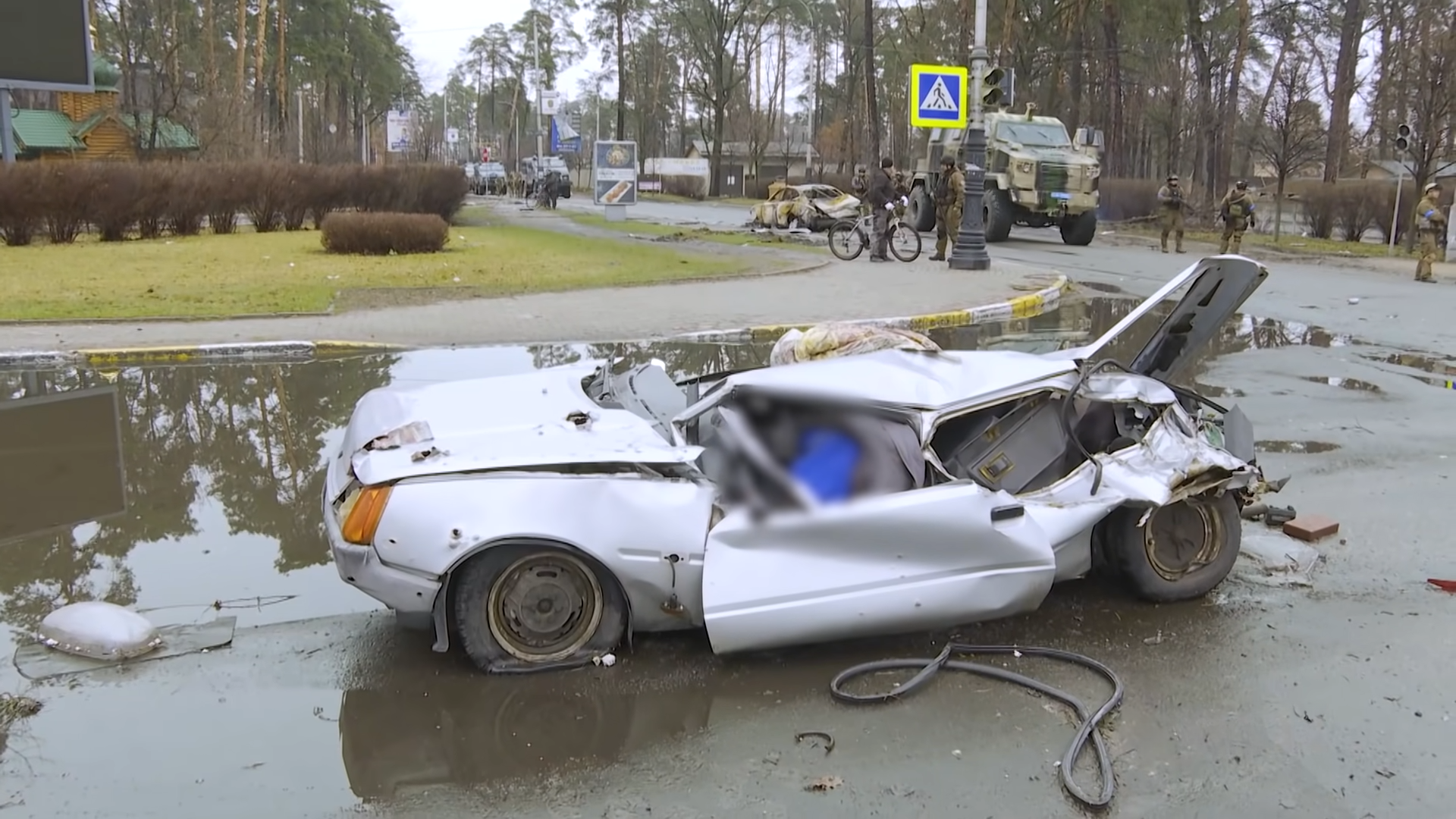
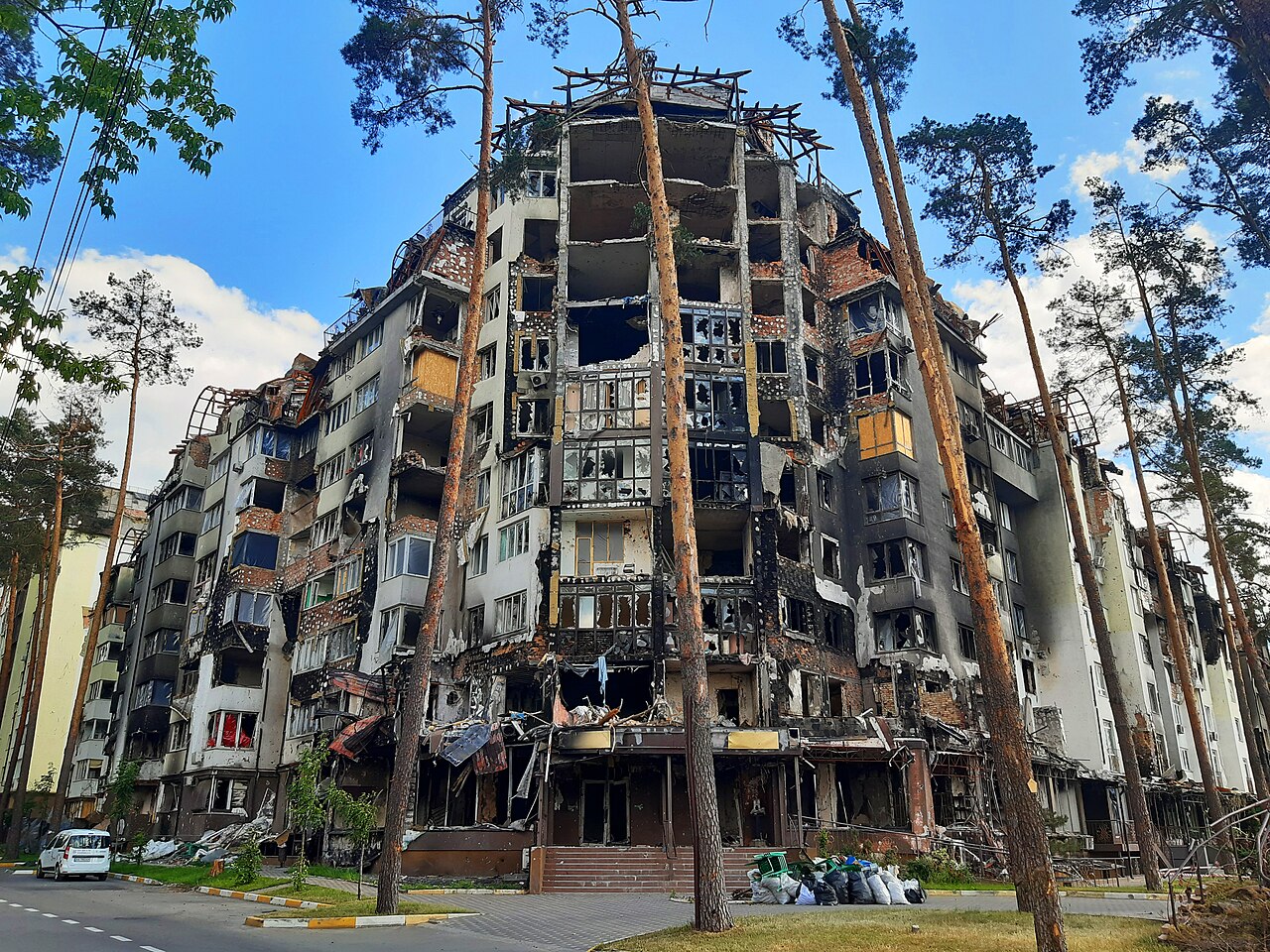
As liberation continued, it became clear that Bucha and other cities in Kyiv Oblast were not the only ones where civilians suffered by Russian soldiers who often described themselves as liberators, as the ones who came to save their "brotherly" nation.
Later in the spring, Ukrainian forces also regained control of areas in Chernihiv and Sumy Oblasts.Investigators and local authorities documented destruction of civilian infrastructure, evidence of looting and testimonies from residents who had lived under occupation.
In several communities in Chernihiv Oblast, civilians reported being held in improvised detention sites and subjected to intimidation and abuse - one of them is the village of Yahidne. Russian soldiers forced nearly 350 residents, including children and older people, to remain for almost a month in the basement of a school building under extremely harsh conditions:
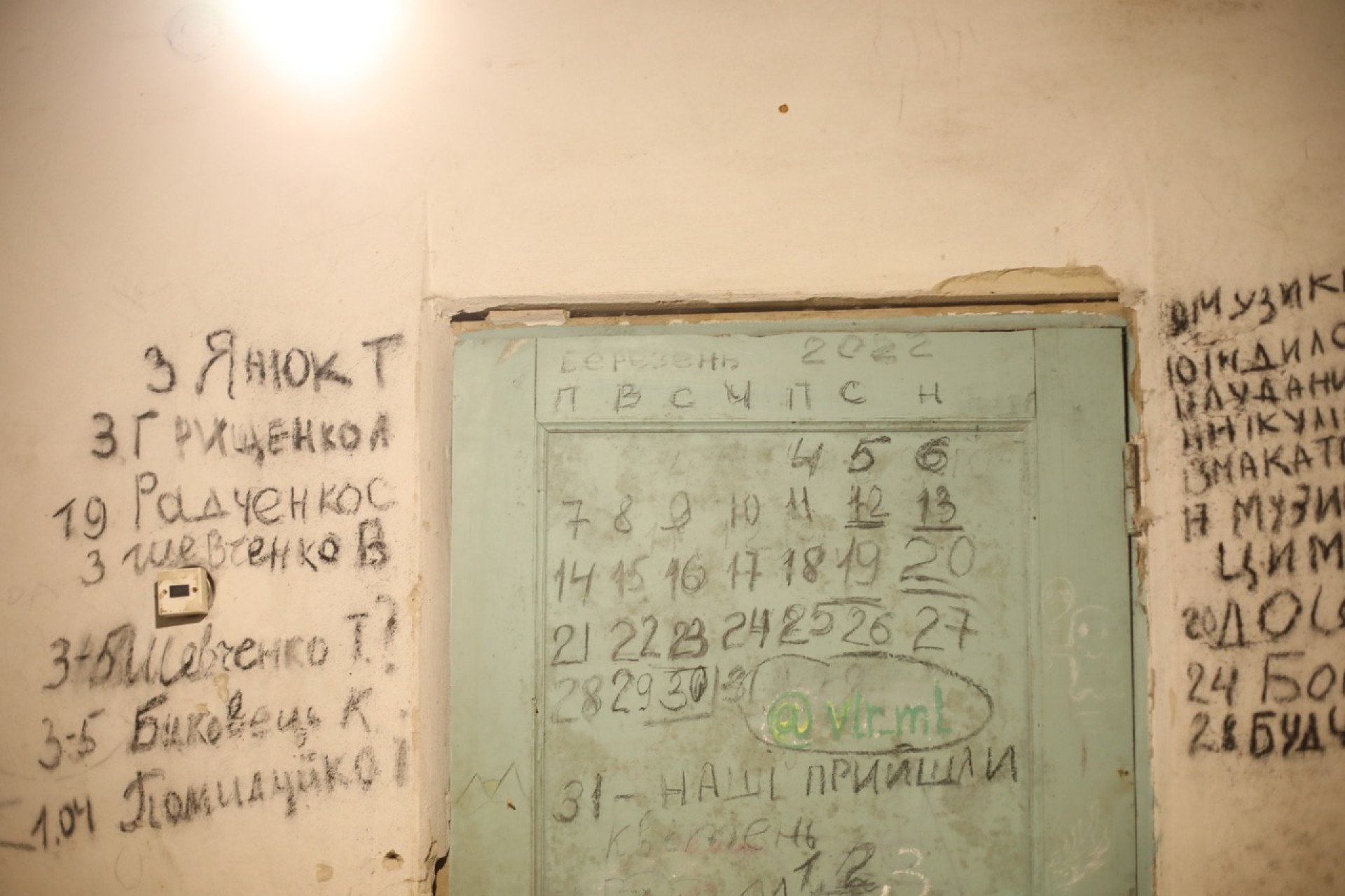
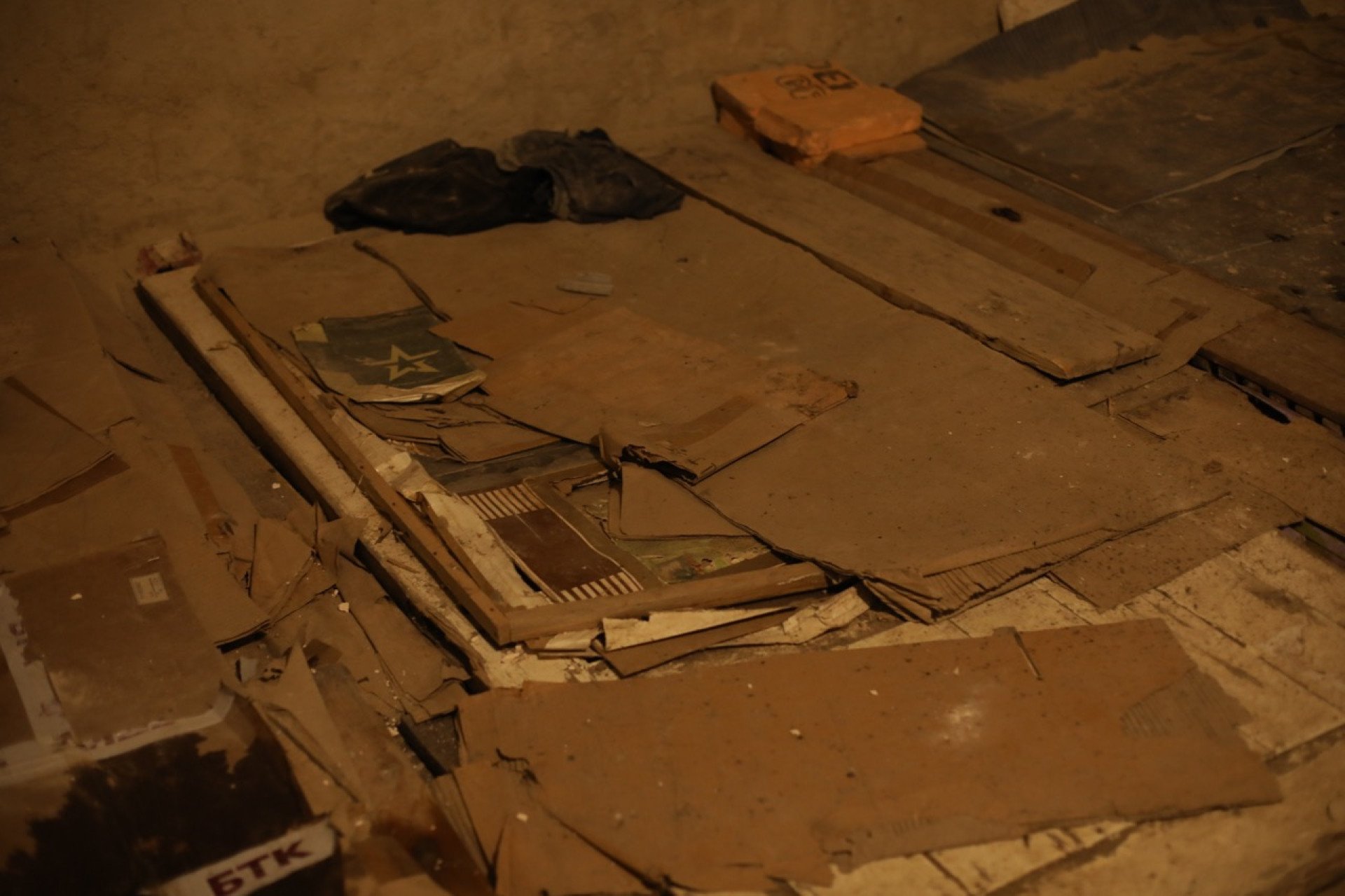
In Sumy Oblast, Trostianets and surrounding villages experienced weeks of occupation before liberation in late March 2022. Russian troops used the town's railway station and surrounding facilities as a military base, residents reported cases of unlawful detention, looting and intimidation of civilians. According to Ukrainian authorities and international investigations, civilians were held in improvised detention sites andsubjected to abuse during interrogations.
Later in 2022, Ukrainian forces liberated Kharkiv Oblast.In the town of Izium, investigators discovered another mass burial site containing hundreds of graves, among the victims were civilians as well as Ukrainian soldiers, bodies contained signs of violent death and authorities reported evidence of torture among the victims. The Guardian Al Jazeera
Ukrainian forces liberated Kherson and parts of Kherson Oblast in November 2022. It was for the first time during the full‑scale war that Russia abandoned a territorial centre and nearby areas. The liberation revealed widespread destruction of civilian infrastructure and Russian soldiers' war crimes during the months of occupation:
Each newly liberated territory revealed similar evidence: basements and other facilities used as torture chambers, reports of abducted civilians, mass graves, civilians of different ages and sexes, killed by Russian soldiers.
Testimonies collected by Ukrainian investigators and international organisations reported on repeated violence against civilians in various regions that were under temporary Russian occupation.
The growing body of evidence gathered in liberated territories has increasingly been used not only to document the scale of abuses, but also to pursue international accountability. One such effort was the submission prepared by the Kharkiv Human Rights Protection Group to the Office of the Prosecutor of the International Criminal Court concerning the systematic torture of Ukrainian civilians by Russian forces.
It is based on testimonies from 66 victims and an analysis of data collected by the civil society initiative "Tribunal for Putin". The materials cover crimes committed between February 2022 and February 2024 and document patterns of abuse in territories that were under Russian occupation.
Detention Places: civilians were held both in official facilities (police stations, pre-trial detention centers, prisons) and in improvised locations as basements, cellars and on the premises of enterprises.
Inhumane conditions: overcrowded cells (up to 20 people in 9-15 m²), constant darkness, lack of ventilation, minimal access to food and water, unsanitary conditions.
Prolonged illegal detention: civilians could be held from several days to several months, sometimes up to 10 months.
Physical torture:
Psychological torture:
This documented evidence reports the crimes and also provides identification details of suspected perpetrators involved in the occupation administrations or military units. By submitting these testimonies to the ICC, investigators aim to ensure that those responsible for these crimes can and should be prosecuted at the international level.
Four years ago, the world shuddered at what they saw in cities and villages near Kyiv, then saw liberations of Kharkiv, Kherson and others, revealing civilians tortured, raped, abused and killed.
Today, as attention shifts and other wars emerge, there's a risk that these atrocities fade from memory. But four years later, remembering is essential, not just for honouring the past but for shaping present choices, as discussions about negotiations and potential paths to a "peace deal" and ending the Russian war in Ukraine continue.
Remembering Bucha, Irpin, Borodianka, Yahidne, Izum and other towns where civilians suffered reminds us of what's at stake for all of Ukraine and that humanity must prevent such crimes worldwide.
This publication was compiled with the support of the International Renaissance Foundation. It's content is the exclusive responsibility of the authors and does not necessarily reflect the views of the International Renaissance Foundation.


